There is a familiar rhythm to how markets misread central banks. The headline says "rates unchanged". The cameras pack up. The next news cycle moves on. Three days later, the underlying repricing finally shows up in portfolios, and by then most retail investors are...
Market Insight
The Rate Cycle Has Quietly Turned, And Most Investors Have Not Noticed Yet
There is a familiar pattern to how rate cycles end. Not with a bell, not with a press conference, not with a single decision that everyone agrees was the peak. They end quietly, with a handful of data points that change the conversation, a couple of economists who...
When Stagflation Becomes The Word Everyone Uses: How To Think Clearly About Portfolios When The Headlines Get Scary
There is a particular kind of word that arrives in financial media slowly, then all at once. For most of the last twenty years, "stagflation" was the kind of term reserved for economic historians, the occasional fund manager letter, and Howard Marks footnotes. This...
The Quiet Reset: What the 2026 Budget Means for SMSF Retirees and Family Trust Investors
Most budgets are forgotten within a fortnight. The 2026-27 Federal Budget will not be one of them. Treasurer Jim Chalmers handed down his fifth budget on Tuesday night, and beneath the headline tax offsets and the usual cost of living packaging sits the most...
The Imagined Budget Responses: What Investors Can Actually Learn From the Political Theatre
There is a particular ritual that follows every Federal Budget. The Treasurer delivers his speech, the cameras pan to the gallery, and within forty eight hours every political figure with a microphone delivers a response that is, with remarkable consistency, exactly...
Victoria’s Quiet Turn: Why The State Everyone Wrote Off May Be Closer To The Bottom Than The Headlines Suggest
There is a particular rhythm to how markets treat states, cities and asset classes that have fallen out of favour. First there is the reasonable concern. Then the reasonable concern hardens into consensus. Then the consensus hardens into a kind of received wisdom that...
What To Expect From The Federal Budget: A Calm Walk Through What Matters For Investors
Investing is rarely about finding the most exciting story in the market. More often, it is about understanding what is already priced in, what is being underestimated, and whether the businesses and assets in your portfolio can keep compounding through the noise....
The Second Order Effects of Oil: Inflation, Freight, Fertiliser, and the Next Growth Scare
When investors think about an oil shock, the instinct is usually to look at the chart, watch Brent or WTI jump, and assume the story begins and ends there. Oil up, markets nervous, airlines down, energy stocks up, end of analysis. But that is rarely how the real world...
Ceasefire, but not Closure: Why the Oil Shock May Fade from Headlines Before It Fades from Markets
There is a particular kind of market mistake that turns up again and again. A headline improves, the immediate fear recedes, oil gives back some of its panic move, equity futures bounce, and the collective temptation is to declare the danger over. We have just seen...
AI Needs More Than Chips, It Needs Power: The Infrastructure Bottleneck Investors Are Missing
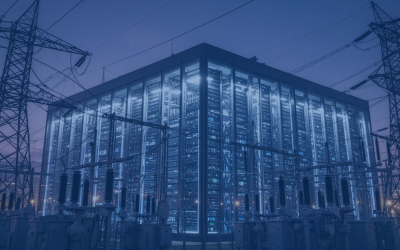
For the past two years, markets have treated AI as a semiconductor story. And honestly, that made sense. Chips are tangible, exciting, and sit at the glamorous end of the value chain where margins are fat and every earnings beat feels like confirmation of a new...
Beyond the Barrel: The Second-Order Winners and Losers From Higher Oil
When oil prices spike, the market's first instinct is almost always the same. Buy energy producers. Sell airlines. Dust off the inflation playbook. Then pretend that understanding the direct effect is the same as understanding the whole story. It rarely is. The...
The Middle East Build-Up, Two Weeks Later: What Investors Must Think About Now
A few weeks ago, in The Middle East Build-Up: What Investors Must Think About Now, we argued that investors did not need to predict war, they needed to prepare for its consequences. The core view was simple. If the US and Iran moved toward open conflict, oil would...