
When Pizza Meets Pivot
Domino’s Pizza Enterprises (ASX: DMP) has long been a household name in Australia and beyond. From its humble beginnings to becoming a dominant player across the Asia-Pacific and European markets, Domino’s built its brand on one simple idea: deliver great pizza fast. But in recent years, this once-reliable recipe has started to crack.
Sales stagnated, franchisee profitability melted away, and new competition from delivery aggregators left the company looking more like a tired takeaway than a growth engine. For long-term investors, Domino’s became a frustrating experience, a great brand held back by execution missteps and an overly ambitious expansion strategy.
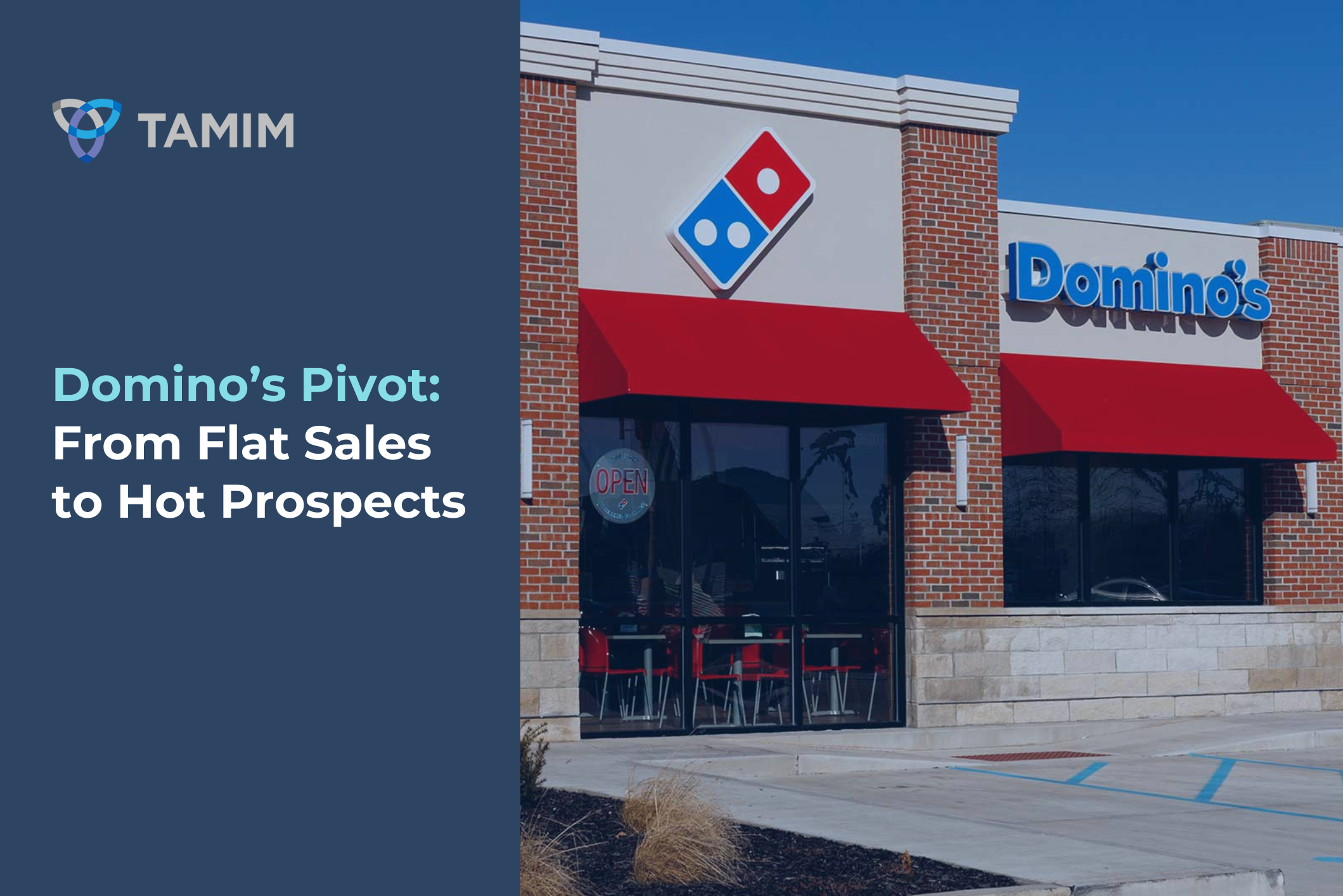
Yet, what we are seeing today is a compelling narrative of change. A pivot. And, quite possibly, a very rewarding turnaround.
This view was reinforced in the most recent investor update call on Thursday, July 3, 2025, led by Executive Chairman Jack Cowin, following the unexpected resignation of CEO Mark van Dyck after just seven months in the role. The Zoom-based meeting offered candid insight into Domino’s refreshed mindset, one focused on execution, franchisee profitability, and a return to operational excellence.
A Decade of Momentum, Then a Sudden Pause
Between 2010 and 2020, Domino’s was a market darling. Under long-time CEO Don Meij, the company executed a tech-driven growth strategy, investing heavily in logistics, ordering platforms, and store expansion. Earnings grew, margins expanded, and the stock price skyrocketed.
But no growth story lasts forever.
Post-COVID, Domino’s ran into a perfect storm:
- Overexpansion in weaker international markets
- Margin pressure from rising labour and food input costs
- Increased competition from Uber Eats, DoorDash, and Deliveroo
- Frustration from franchisees who saw profitability fall sharply
Same-store sales growth stalled, and the operational leverage Domino’s once touted began working in reverse. Investors started losing faith. And yet, through the noise, the underlying brand strength remained.
The “Pizza Reset” Begins
Now, Domino’s is undergoing a significant operational and strategic overhaul. Led by Executive Chairman Jack Cowin, the founder who turned a $400,000 investment into a global pizza empire, the company is slicing out inefficiencies and turning up the heat on performance.
Let’s break down the key ingredients of Domino’s comeback recipe.
1. Leaner, Smarter Operations
Domino’s is targeting corporate cost reductions, particularly in its tech and administrative divisions. While the company has always presented itself as a tech-enabled retailer, it became apparent that not all technology was delivering ROI. Systems that over-promised and under-delivered are being replaced or eliminated.
This isn’t just about saving dollars, it’s about re-focusing on simplicity. The company is reverting to its core strengths: fast, reliable pizza delivery, and supporting its franchisees to grow.
2. Rebuilding Franchisee Trust and Profitability
Perhaps the most important strategic initiative is rebuilding the relationship with franchisees. Many stores have struggled to remain profitable, with average store earnings hovering around $95,000 per annum, hardly compelling for a small business owner bearing significant risk.
Domino’s now has a stated target of increasing this to $130,000 per store. That’s not just a feel-good number. It signals a shift from top-line obsession to bottom-line delivery. Key initiatives include:
- Menu simplification to reduce labour costs
- More targeted marketing campaigns
- Smarter store placement and closure of underperforming units
- Cost-effective use of promotions and discounts
Franchisee profitability is the bedrock of Domino’s success. More money in the pockets of operators translates to better service, more consistent branding, and ultimately, sustainable growth.
3. CEO Transition: Fresh Thinking, New Era
The sudden departure of CEO Mark van Dyck, after just seven months, might have shocked the market. But the July 3 update made clear: this is not a crisis. It is an opportunity to reset the leadership tone. Jack Cowin has stepped in to steer the ship while the board seeks a new CEO, someone focused not on global dominance, but on operational excellence and franchisee support.
This change matters. A fresh CEO can re-energise the company culture, bring new ideas, and re-establish confidence in execution. With Cowin still deeply involved, the balance between entrepreneurial vision and disciplined management may finally be achieved.
Financials: Signs of Stabilisation
Despite the doom and gloom of recent years, Domino’s is not a broken company. It still generates over $100 million in after-tax profit and maintains a robust balance sheet. There’s no need for capital raisings, and no looming debt crisis.
What we are witnessing is a business that overshot on ambition but retains brand equity, infrastructure, and customer trust.
Importantly, Domino’s has signalled a return to modest, consistent same-store sales growth. A 3% same-store sales figure may sound pedestrian, but with improved margins and disciplined cost control, this could drive double-digit earnings growth in coming years.
Competitive Landscape: The Delivery Duopoly Dilemma
No modern discussion of Domino’s is complete without acknowledging the rise of delivery aggregators. Uber Eats and DoorDash have changed how customers access food. The convenience of multi-brand menus and app-driven promotions is formidable.
Yet, this isn’t a death sentence for Domino’s. In fact, it may become a strength.
Domino’s is one of the few brands that controls its own delivery logistics at scale. This means:
- Lower delivery fees
- Full control over customer experience
- Better data on ordering habits
- No revenue-sharing with third parties
With aggregators increasingly squeezing restaurants with commissions and advertising fees, Domino’s stands out as a vertically integrated model. In a world of rising costs, owning the delivery process is a differentiator.
The Macro Backdrop: In Pizza We Trust
In times of uncertainty, consumers often turn to comfort, affordability, and familiarity. Fast food, particularly pizza, has long been a defensive consumer staple. Whether interest rates are high or economic confidence is low, families still crave a Friday night pizza.
That macro trend supports the Domino’s thesis. Moreover, rising wages and improving employment metrics should aid the very franchisees who power the company’s store network.
Risks and Hurdles to Watch
No investment is without risk. For Domino’s, key issues include:
- Execution: Can new leadership deliver on profitability targets?
- Competition: Will aggregators continue eating into market share?
- Wage inflation: Labour remains a major cost centre
- Market saturation: Are there still growth opportunities in mature regions?
However, these risks are now better acknowledged, and the company is actively addressing them, making it a more investable proposition today than it was 12 months ago.
The TAMIM Takeaway: A Slice of the Right Strategy
At TAMIM, we like companies that are misunderstood, undervalued, and fixing their flaws. While we don’t currently own the stock, Domino’s could fit this mold going forward. The story is no longer about pizza delivery, it’s about operational reinvention, franchisee empowerment, and strategic humility.
If Domino’s executes, this could be one of the more compelling medium-term turnarounds on the ASX.
- The brand remains strong
- The balance sheet is solid
- The strategy is refocused and realistic
- The leadership refresh is well-timed
In other words: Domino’s is still cooking. Just at a slightly lower temperature, with a sharper recipe. Dominos remains on our watchlist with us looking for clear signs of execution.
______________________________________________________________________________________________
Disclaimer: Companies and stocks mentioned in this article are not held in TAMIM Portfolios as at the date of publication. Holdings may change substantially at any time.