






Every December, as markets thin out and inboxes quieten, I perform a ritual that has become one of the most important parts of my investing year. I build my Christmas reading list. Not a list of holiday-fluff beach reads, and certainly not regurgitated investing clichés, but a curated set of books that challenge the way I think.
For me, reading is not an optional extra. It is part of the craft. In a world overflowing with information and starving for insight, deep reading is one of the few remaining sources of genuine edge. Great investors read to upgrade their mental software, not to confirm what they already believe, but to interrogate it. And the Christmas break, when the noise temporarily fades, is the perfect time to take on the kind of long-form thinking that actually shifts the needle.

Over the years, I have learned that markets reward those who understand human nature, incentives, behavioural biases, business models, and complexity. They reward the investor who can step back and see second-order effects, who can distinguish narrative from signal, who can recognise when the market is wrong and have the temperament to act on it. None of these skills come from scrolling social media. They come from sustained engagement with great thinking.
This year’s list reflects exactly that. Serious, contemporary, non-beginner books that expand the aperture of an investor’s mind. Some focus on markets directly; others focus on the psychology, decision-making, and structural thinking required to succeed in markets. All of them matter.
Below is the full list I’ll be taking away with me this holiday period and why each one earns its place.
The Rebel Allocator; Jacob Taylor

At first glance, this book looks like a business novel. But beneath the narrative structure lies one of the best modern texts on capital allocation. We often talk about capital allocation as if it’s a spreadsheet function. In reality, it is the art of judgment, discipline, and incentives. Taylor explores the difference between businesses that simply operate and those that compound capital relentlessly over time.
The most important lesson is this: great companies are built by leaders who understand opportunity cost. They know what to say yes to, but more importantly, they know what to say no to. As investors, identifying those management teams is half the game. This book sharpens that instinct.
The Intelligence Trap; David Robson
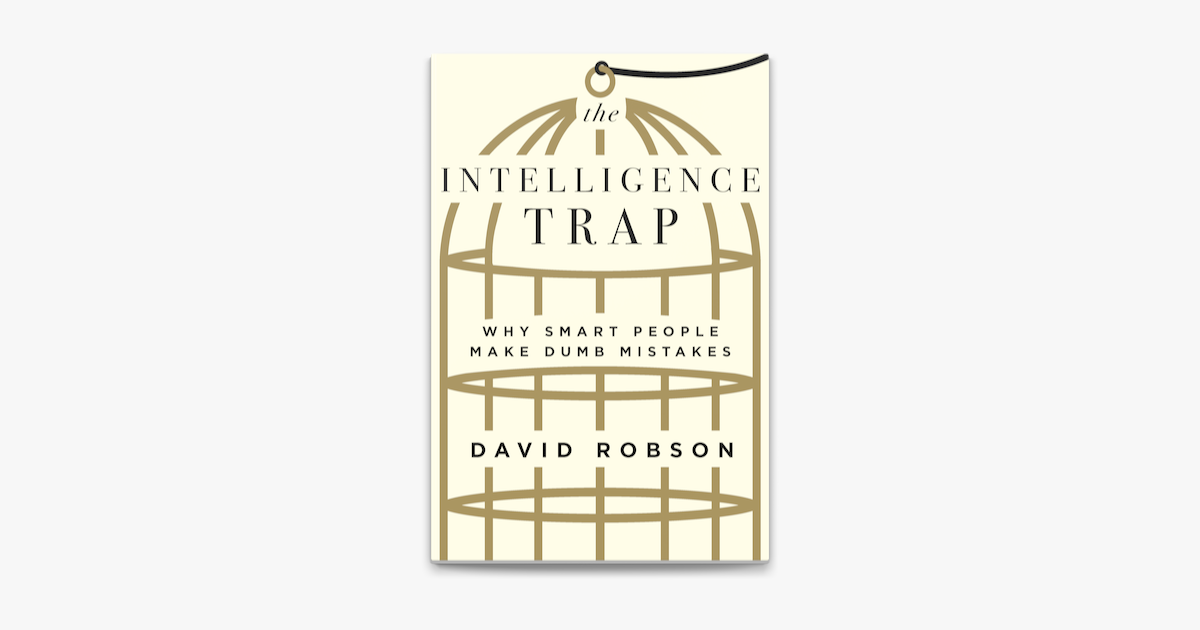
Markets punish hubris. They punish overconfidence. They punish cleverness masquerading as insight. Robson’s book is a masterclass in the cognitive blind spots that even highly intelligent people routinely fall into.
For investors, this book is almost a mirror. It forces you to confront the uncomfortable truth: intelligence and good judgment are not the same thing. Robson explores why experts get trapped by their own mental rigidity and how to build cognitive flexibility, the trait that sits at the core of second-level thinking.
In markets where consensus narratives dominate, the investor who can step outside their own thinking patterns gains a profound advantage.
The Man Who Solved the Market; Gregory Zuckerman
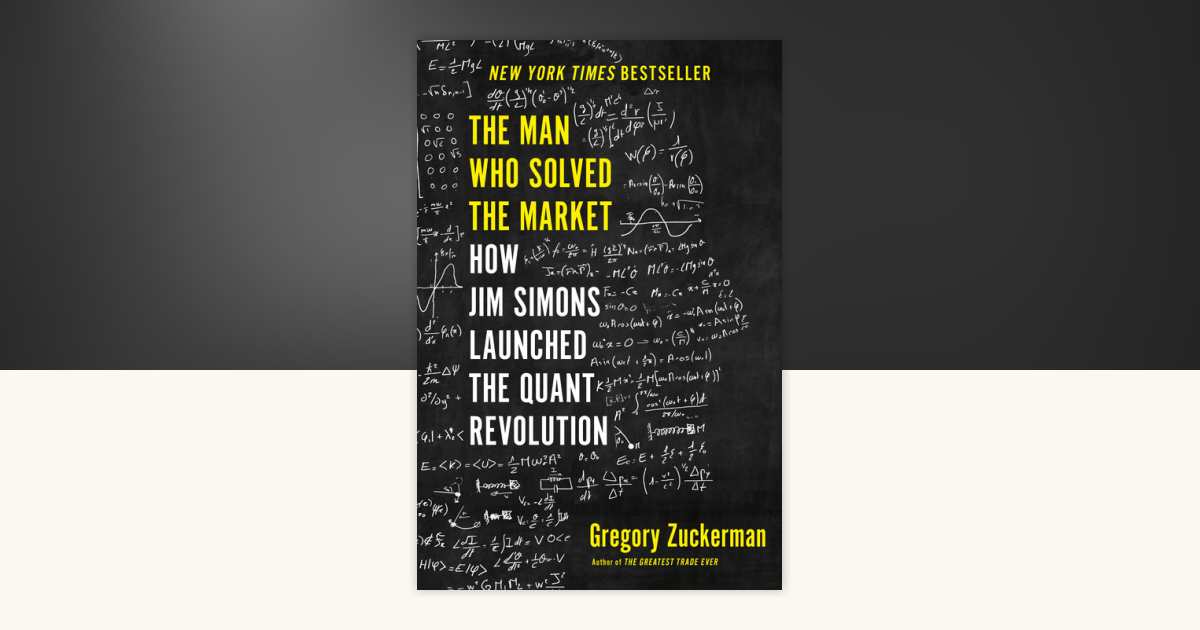
Jim Simons’ story is well known, but Zuckerman’s telling captures the essence of what Renaissance Technologies actually accomplished. Not just outsized returns, but a new model of investing built on discipline, iteration, feedback loops, and the willingness to challenge every assumption.
For discretionary investors, the lesson isn’t to become quants. The lesson is to appreciate structure, process, relentless improvement, and the humility to test rather than assume. Renaissance succeeded because its culture rewarded learning over ego. That principle applies in any investment strategy.
What Works on Wall Street; Jim O’Shaughnessy
The latest edition of this book is a data-rich examination of what actually works in markets over long periods. It’s not about passive indexing. It is active investing with structure and evidence.
Modern markets are noisy. Narratives dominate. Social media amplifies bold claims. Backtests are misused. This book cuts through all of that by grounding investment ideas in decades of real-world data. It reinforces the power of rules-based thinking while acknowledging behavioural realities.
If you want a framework for assessing whether an investment idea has empirical legs or is just a story, this is essential reading.
Richer, Wiser, Happier; William Green
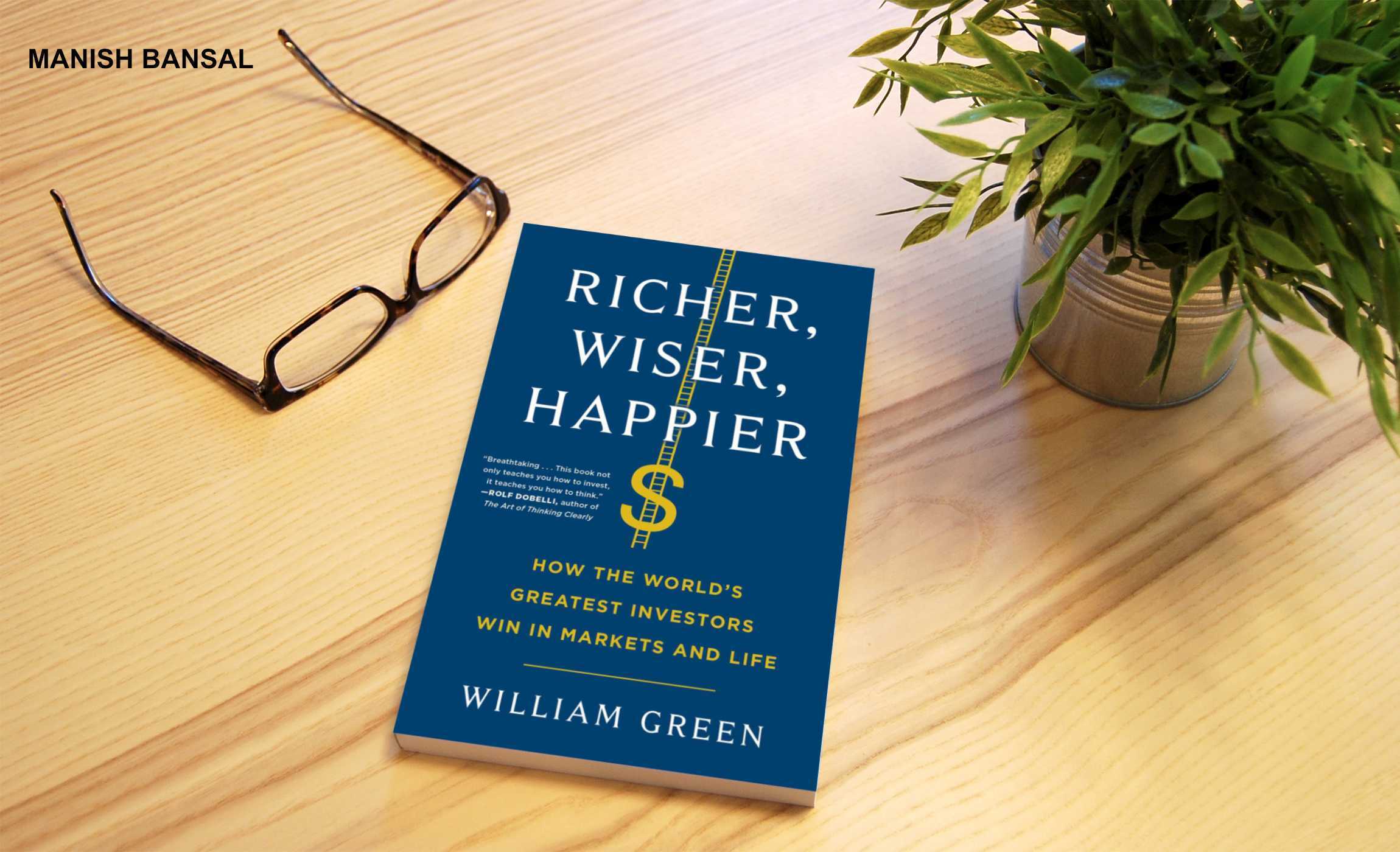
This is not an investing handbook. It is a psychological and philosophical study of the world’s wisest investors, not just how they allocate capital, but how they live, think, absorb uncertainty, and manage themselves.
The central insight is that temperament overrides tactics. You can know every valuation model under the sun, but if you cannot manage your emotions, stay patient, or recognise your own biases, you will never outperform.
Green’s interviews with investors like Gayner, Pabrai, Templeton, and Simons offer a rare behind-the-veil view of how elite performers see the world.
For any investor aiming for longevity, this is required reading.
The Power Law; Sebastian Mallaby
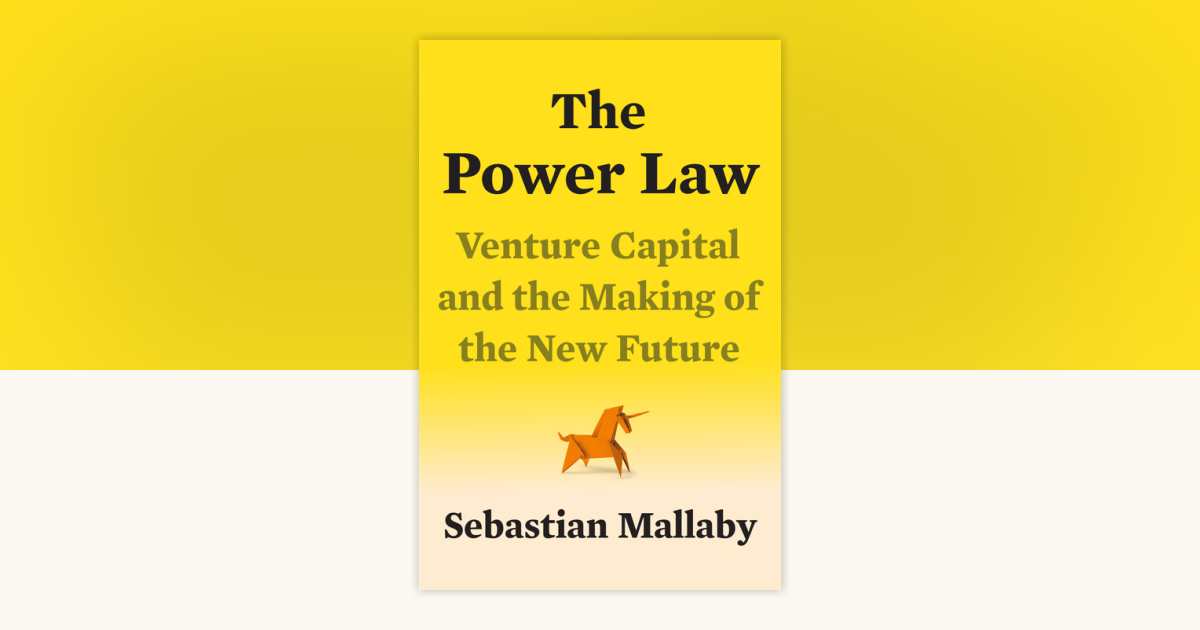
Although this book focuses on venture capital, its lessons extend far beyond Silicon Valley. Mallaby unpacks one of the most important ideas in modern markets: the power law distribution.
A small number of extreme winners account for the vast majority of returns. The same pattern appears in start-ups, public markets, innovation cycles, and even economic productivity.
Understanding this distribution shapes how we think about portfolio construction, asymmetric payoffs, risk-taking, and optionality. Recognising what could be a 10x or 20x outcome and not selling too early is as important as good stock selection.
More Money Than God; Sebastian Mallaby
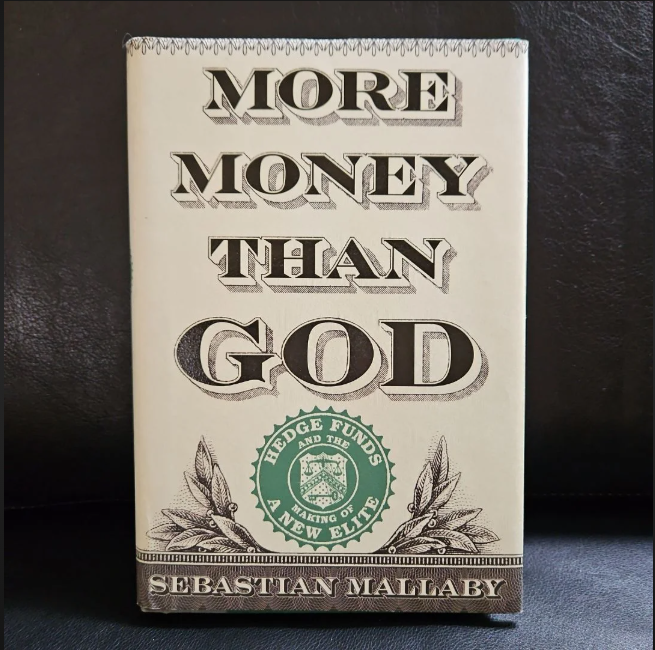
Mallaby’s earlier work explores the rise of the hedge fund industry; macro, quant, event-driven, and long/short pioneers who broke the mould of conventional investing. Each chapter is a study in contrarian thinking.
From Soros’s reflexivity to Druckenmiller’s intuition to Steinhardt’s intensity, Mallaby shows what it means to operate at the highest levels of active management.
The lesson for modern investors is that edge comes from perspective. These investors saw what others missed because they thought differently, not because they had better access or bigger teams.
Quit: The Power of Knowing When to Walk Away; Annie Duke
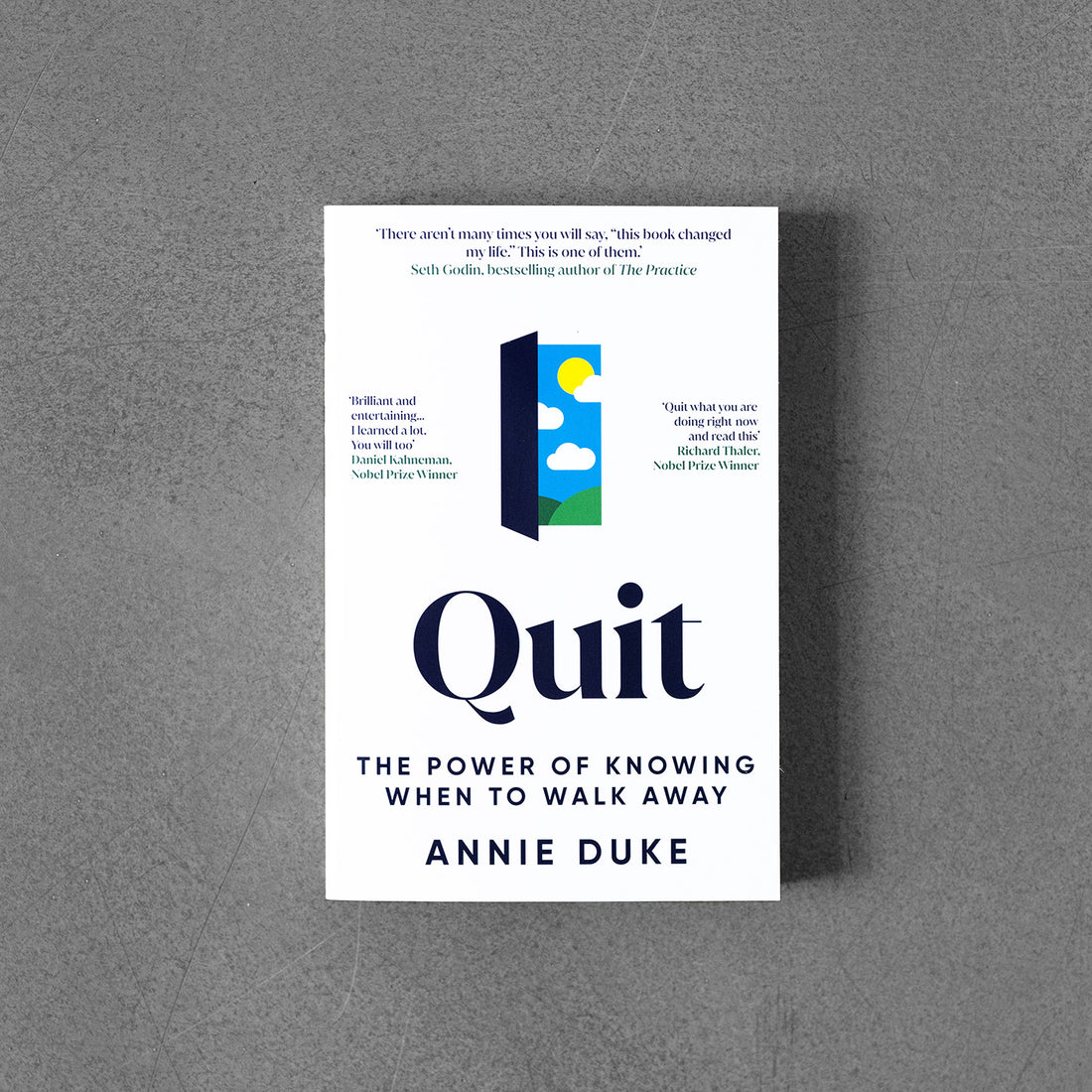
One of the hardest skills in investing is not buying. It is quitting. Cutting losses early, exiting when the thesis breaks, reallocating when the opportunity set shifts, these are the decisions that define long-term returns.
Duke, a former poker champion, explains why humans struggle to quit even when evidence tells us we should. She breaks down sunk-cost bias, identity attachment, escalation of commitment, and the psychological difficulty of abandoning a position you’ve championed.
This is not a book about poker. It is a book about capital preservation, opportunity cost, and emotional discipline, the heart of great investing.
The Art of Doing Science and Engineering; Richard Hamming

Every investor should read at least one book each year that has nothing directly to do with investing. This is mine.
Hamming’s work is a study in how serious thinkers approach complex problems. He explores how to identify important questions, build mental models, test assumptions, and avoid intellectual stagnation. These are the meta-skills of great investors. The ability to think clearly is the ultimate edge.
Why These Books Matter for Investors Today
Markets today are characterised by noise, volatility, narrative dominance, and short-termism. The biggest challenge isn’t finding information. It’s separating insight from distraction.
Deep reading helps investors:
- slow down the mind
- build second-order thinking
- see patterns others overlook
- improve self-awareness and emotional regulation
- challenge their own assumptions
- identify genuine opportunities amid chaos
Reading is a form of mental strength training. You don’t see the improvement immediately, but the compounding effect is enormous. Just as the best athletes maintain rituals that sharpen their bodies and minds, great investors maintain rituals that sharpen their thinking. Reading is one of them. This list is not about entertainment. It is about preparation. Preparation for uncertainty, complexity, and inflection points, exactly the conditions where exceptional returns are made. As I pack these books into my carry-on (okay maybe into the big suitcase), I know I’m not packing pages. I’m packing next year’s insights.
TAMIM Takeaway
Great investing isn’t just about analysing companies. It’s about analysing yourself. Your thinking, your biases, your process, your blind spots. This reading list is designed to upgrade the mental operating system that drives every investment decision you make. If you want better returns next year, start by upgrading the way you think this year.